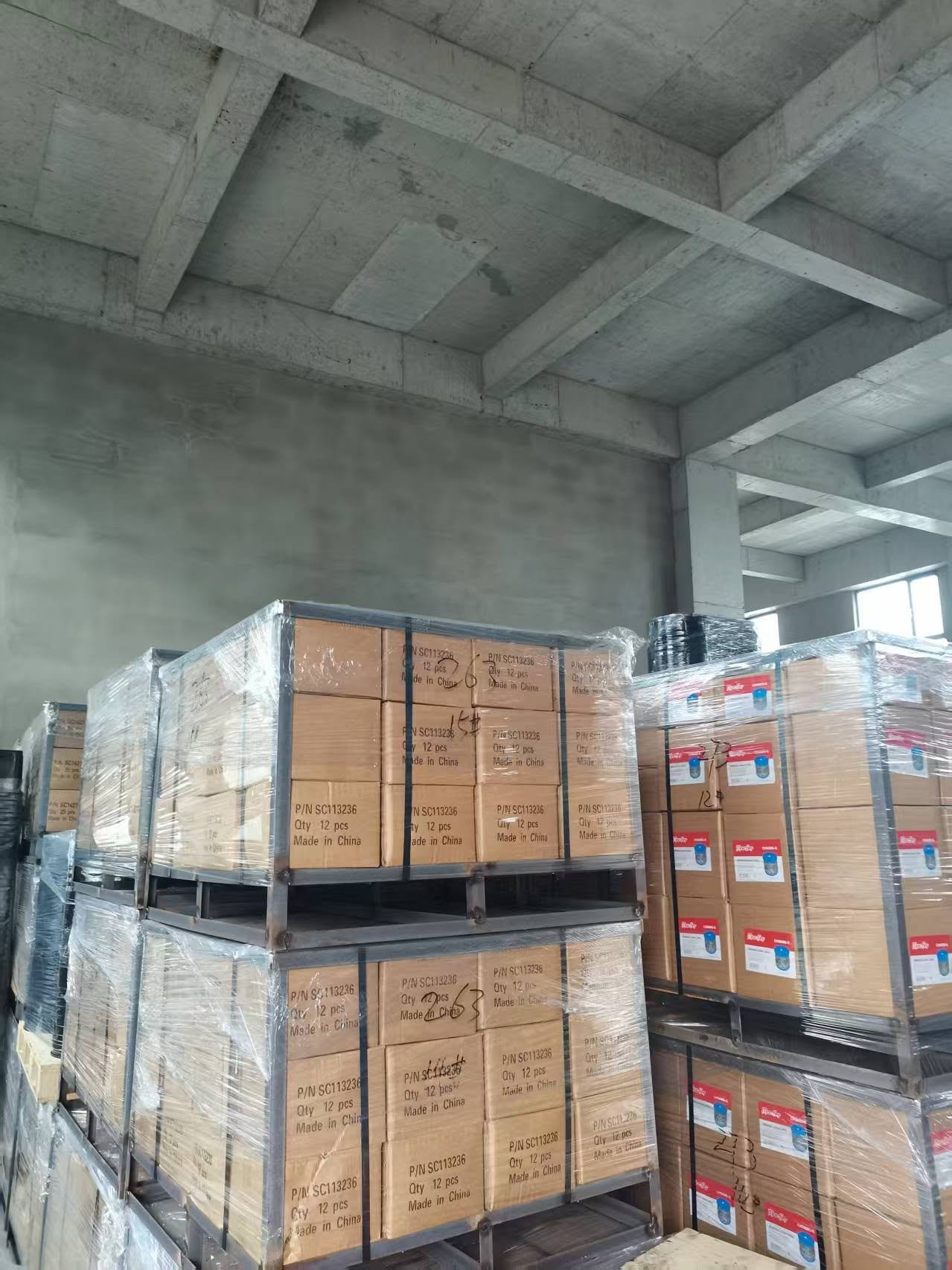
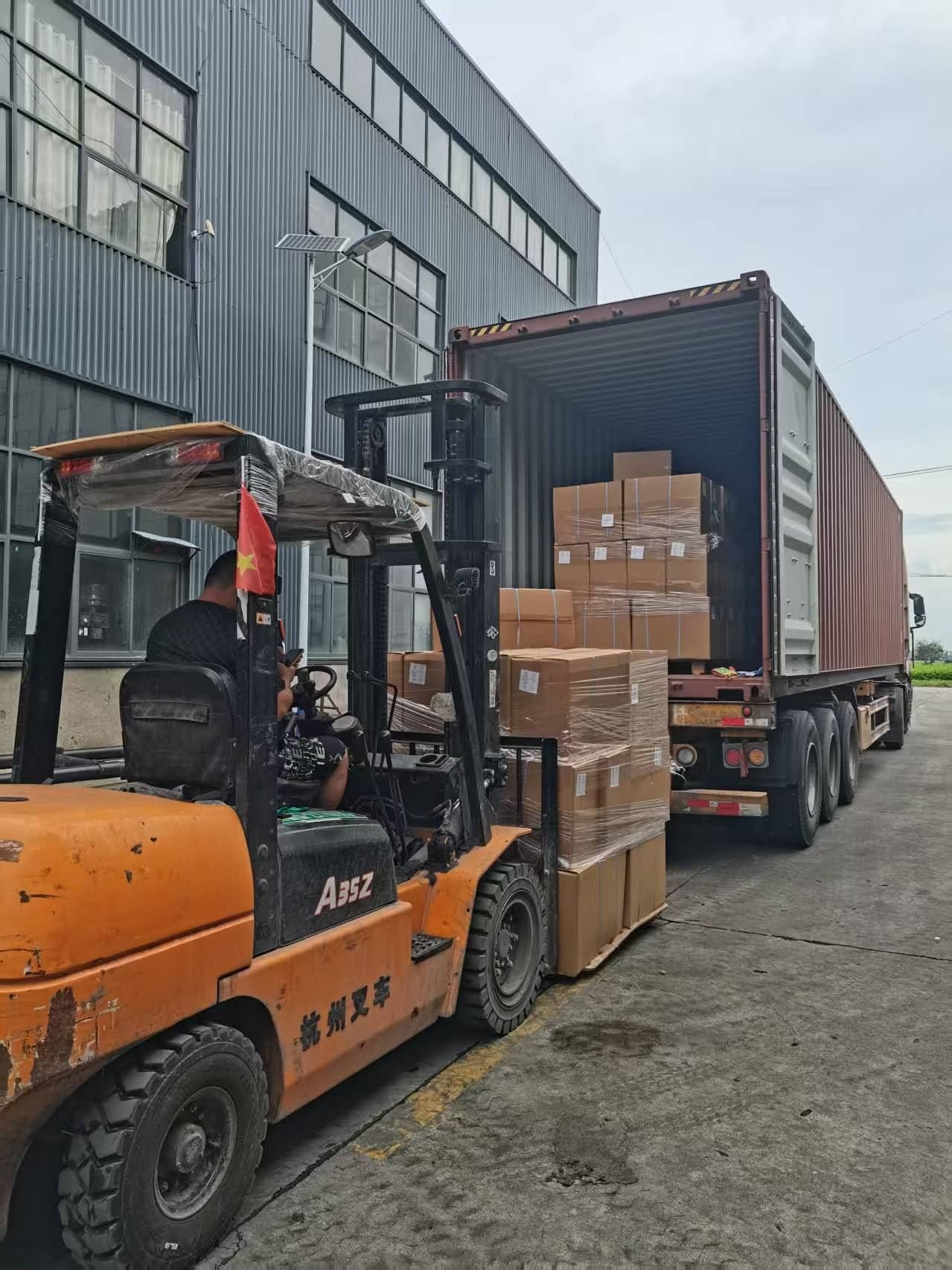
To see how to import hand tools into the U.S., start with the count. The invoice says 100 socket sets. Nine cartons of ten account for only 90.
Where are the other ten sets, and who pays to move the cartons from the port to your dock? Settle both questions before you book the truck.
This hand tool import process for distributors follows a sample order from China.
The prices and counts are illustrative. The two U.S. customs rulings are real.
Use the hand tool import checklist to assign each handoff. At any step, the last column tells the buyer what needs to be resolved before the order moves on.
| Step and owner | Handoff record | Pause when… |
|---|---|---|
| 1. Buyer → supplier | RFQ and parts list | Set contents unclear. |
| 2. Importer → broker | SKU, origin and marking review | A part’s origin or use is unknown. |
| 3. Buyer and finance | Same-dock estimates, signed PO | A fee has no payer. |
| 4. Buyer and packer | Signed sample, pack revision | The approved tray changes. |
| 5. Logistics and filer | Booking, checked drafts, filing receipt | Counts disagree or a cutoff is unclear. |
| 6. Loader and importer | Handover and release records | A hold or missing carton. |
| 7. Warehouse and finance | Receipt and saleable count | An unexplained stock variance. |
1. Start your hand tool import checklist with the RFQ
Define the retail set in the request for quotation (RFQ). A supplier who sees only “100 socket sets” still has to guess which tools, sizes and case to price.
Specify the tool, the set and the order unit
One retail set here contains a quarter-inch drive ratchet, an extension and eight metric sockets. List all eight sizes. The range “5–13 mm” can hide a missing size.
On drawing KIT-A, revision B, list the steel grade and finish for each part. Add the case and pack count. Ten sets per carton means ten export cartons for this order.
Ask suppliers to quote the same scope
Send both bidders the same drawing and dock address. Request the minimum order, sample fee, lead time after sign-off, inspection terms and quote expiry.
Ask each bidder to price any change on its own line. A different tray, for example, may save money on the tool set and add cost to the pack.
On the Nexus ToolPal quote form, enter “100 sets” for quantity and “ten sets per carton, revision B” in the requirements box.
Use one row per SKU and revision in the hand tool RFQ template. Keep each bidder’s written exceptions next to the line they change.
| RFQ line | What the supplier still needs to know |
|---|---|
| “100 socket sets with case” | Which sockets, which case and where does the price end? |
| “100 retail sets, KIT-A rev B, ten per carton, to the named dock” | Price it as drawn and list exceptions, including unloading. |
2. How to import hand tools from China under the right U.S. tariff code
Name the importer of record before signing the purchase order (PO). Give the filer the purpose, parts list and origin of each tool in the kit.
Identify the importer of record and check permit requirements
Most goods can enter the U.S. without a general import license.
Check the exact SKU, materials and intended use for permits required by a specific agency. [U.S. import permits]
The importer of record must use reasonable care when declaring value, classification and duty.
If a broker files for you, put its authority in writing. [19 U.S.C. §1484]
Confirm the importer number, any bond the entry needs and who will answer questions from U.S. Customs and Border Protection (CBP).
Classify the retail kit and approve its country-of-origin marking
Two CBP letters show why the filer needs an open-case photo.
In each case a particular tool gave the retail set its essential character and drove its classification.
The case links open full copies of CBP’s letters on CustomsMobile. Read the list of parts in each letter before you compare the ruling with your own kit.
| Public ruling | What drove the decision | What to give your broker |
|---|---|---|
| Precision bit set · Sept. 25, 2025 [CBP ruling N354134] | One ratchet handle drove 20 bits with a long-reach holder. The handle gave this 22-piece set its essential character. CBP chose 8466.10.0175. | Open-case photo, parts list and an explanation of how the user drives the bits. |
| Jewelry-making kit · Sept. 30, 2025 [CBP ruling N354290] | Four Vietnamese pliers supplied the essential character. A Chinese reamer and bead scoop went into the case in China. CBP chose 8203.20.6030. | Each tool’s function and origin, plus the country where the packer assembled the retail kit. |
Those codes belong to the goods in the 2025 letters.
For this socket set, give the filer its own drawing, uses and origins. See the hand tool customs classification guide.
Check the U.S. Harmonized Tariff Schedule (HTS), Chapter 99 and any trade remedies.
Date your duty estimate with the HTS revision used. [U.S. tariff schedule] [HTS revision notices]
For Chinese-origin pliers, check the mark on the tool. Accepted methods include die stamping, acid or electrolytic etching, and engraving. [19 CFR §134.43(a)]
This rule has a separate provision for goods of a USMCA country. For a mixed-origin kit, have the broker review how each item and the pack should be marked.
3. Compare FCA and DDP quotes at the same U.S. dock
Compare all 100 sets at one named U.S. dock. Write down who pays each charge between the supplier’s handover point and the warehouse.
Write the Incoterms® rule and the named place into the PO
For a container handed to your carrier at a terminal, write “FCA [terminal name and address], Incoterms® 2020” on the PO.
At that terminal, the seller delivers on its arriving vehicle, ready for unloading, after export clearance.
Under FOB, risk passes when the goods are on board the ship. [ICC Incoterms checklist]
Under DDP, the seller clears the import, pays the duties and delivers at the named dock, ready for unloading.
Confirm who can make U.S. entry for the seller. [ICC guide to DDP]
Match the delivery point, insurance cover and unloading charges in both bids.
The Incoterms for hand tool importers guide explains the other delivery rules buyers often see.
Build a landed-cost estimate the buyer can approve
Start with the $800 FCA price. Add only the charges it leaves out.
Give each allowance a source, date and owner. Keep an unknown charge open until someone prices it.
| Cost item | Amount | Already in the $800 FCA quote? | Add to FCA |
|---|---|---|---|
| Goods and retail packs | $760 | Yes | $0 |
| Origin delivery and export handling | $40 | Yes | $0 |
| Ocean freight | $150 | No | $150 |
| Cargo insurance | $10 | No | $10 |
| Estimated duties and entry fees | $100 | No | $100 |
| Broker service | $45 | No | $45 |
| Destination handling | $55 | No | $55 |
| Final delivery | $40 | No | $40 |
| Delivered estimate | $1,200 | $800 included | $400 |
The comparable DDP bid is $1,220. With the same insurance and unloading terms, it costs $20 more for the shipment, or $0.20 per ordered set.
To calculate landed cost for hand tools, replace the $100 duty and fee allowance with a dated estimate for your entry. Every dollar in the table is illustrative.
Keep the $1,200 warehouse budget out of the customs-value box.
Under U.S. transaction value, start with the price paid or payable and check the required additions. [19 U.S.C. §1401a]
Itemize international freight and insurance and give the broker the actual charges.
U.S. law excludes qualifying international shipment costs from the price paid or payable. [19 U.S.C. §1401a]
4. Approve the tool sample and its export packaging
Approve the set as a shopper will open it. Sign off on the tool, the case and the insert that holds each socket. Record the revision and who approved it.
Approve finish, corrosion protection and pallet material
Mark bare steel on an open-case photo so the packer can see where protection is needed.
Include socket openings and drive ends in your plan for rust prevention for ocean shipments.
For solid wood pallets or dunnage from China, check for pests, debarking, approved treatment and the ISPM 15 mark.
Save a clear photo of the mark. [USDA pallet requirements]
Look under a plywood deck for solid wood runners. The exemption for processed wood applies only if the whole pack qualifies. [ISPM 15 exemptions]
Test the packed product against an agreed acceptance criterion
What would make the buyer reject a carton that looks fine outside?
Agree on the packed weight, test method and pass criteria before running packaging drop tests for hand tools.
- Open the retail case after the test and count the eight sockets in their assigned pockets.
- Check that the latch closes and that loose steel has left no marks on a saleable face.
- Record the tray revision, carton type, packed weight, photos and pass criteria on the same sheet.
If the factory changes the tray, repeat the affected checks and have the buyer approve the new pack before production.
Use the hand tool quality control checklist to agree on a sample size, defect classes and the acceptance rule for the production lot.
5. Book freight and check the documents for importing hand tools
Work back from vessel loading or the airline cutoff.
Give logistics the packed dimensions and the broker the product data. Give the warehouse a list with one line per carton.
Choose LCL, FCL or air using the actual packed shipment
Measure and weigh the ten packed cartons. Tell each forwarder how high they can be stacked. Request the same pickup, dock address and delivery window.
Ask the forwarder to separate the minimum freight charge from destination fees. A cheap sailing can carry a handling bill due at pickup.
With less-than-container load (LCL), your cartons share space with other cargo. With full container load (FCL), one shipper books the container.
When you compare LCL and FCL shipping, include handling at both ends. If some cartons must fly, ask for a separate air quote and a separate air waybill.
Match the invoice, packing list and transport document
Return to the missing ten sets. Hold the invoice and packing-list drafts while the packer counts the marked cartons. In this example the packer finds all ten.
Send the corrected list for 100 sets to the broker and forwarder. Record the packing-list revision so that nobody files the earlier nine-carton version.
If only nine cartons exist, agree what happens to the missing ten sets. Revise the commercial and transport documents to match the load that will actually leave.
| Document and use | Owner and timing | Fields to match |
|---|---|---|
| PO and approved specification · buying | Buyer and supplier before production | SKU revision, units, term and named place. |
| Commercial invoice · usual entry document, exceptions apply [19 CFR §141.86] [19 CFR §142.3] | Seller prepares, importer or broker checks before entry | Description, units, price, currency, origin, marks and charges. |
| Packing list · for entry where appropriate [19 CFR §142.3] | Packer after packing, importer before filing | Carton IDs, count, sets per carton, gross and net weight. |
| Ocean bill of lading or air waybill · transport | Carrier or forwarder issues, logistics checks draft | Parties, port or airport, packages and bill number. |
| Importer Security Filing (ISF) · covered ocean cargo [19 CFR §149.2] | ISF importer or authorized agent, on the timetable below | Filing reference, bill reference and updates. |
| Entry, right to make entry, release and entry summary [19 CFR §142.3] | Importer or licensed broker, at the applicable filing stage | Importer, value, classification, origin, entry number and release status. |
| Origin evidence, permit or agency records · conditional | Importer checks what applies before filing | Product, origin, agency or preference claimed. |
| Receipt and exception log · stock control | Warehouse at delivery, finance at close | PO, lot, received, accepted and held units. |
Give the ocean ISF filer two separate deadlines
For this containerized U.S. consumption entry by sea, the ISF importer or its agent can file all ten data elements before the first deadline. [19 CFR §149.2] [19 CFR §149.3]
Put the carrier’s and forwarder’s cutoffs next to the legal deadlines. Write the time zone beside each cutoff so the filer knows which local clock to use.
| Deadline | What the filer needs |
|---|---|
| At least 24 hours before foreign-port loading | Eight fields cover seller, buyer, importer number, consignee number, manufacturer or supplier, ship-to party, origin and commodity HTS number. |
| As early as possible, by 24 hours before U.S. port arrival | Supply the container stuffing location and consolidator. If the voyage to the nearest U.S. port takes under 24 hours, both are due at foreign loading. |
For the four flexible fields, use the best available data at first.
Update sooner if better facts arrive, and meet the arrival or short-voyage deadline above. [19 CFR §149.2]
These four fields are the manufacturer or supplier, ship-to party, origin and HTS number. Save the filing receipt with the bill number. [19 CFR §149.2]
Tell the filer if any submitted facts change before the goods enter U.S. port limits. The party that made the filing must update it. [19 CFR §149.2]
6. Check loading, customs release and cargo availability
Send the warehouse the entry and bill numbers when you have them.
Assign someone to book the truck once customs clears the goods and the terminal confirms pickup.
Get a loading record appropriate to FCL or LCL
Use the container loading inspection checklist for a supplier-loaded container.
Log carton count, condition, container ID and seal number. Save loading photos with the booking.
For LCL, get a receipt for ten marked cartons. Record the lot, count and condition at handover. The consolidator may hold the container seal record.
If one carton is crushed, write its ID on the receipt and photograph it with the receiving clerk. Keep the handover reference for a later claim.
Track customs release, carrier availability and delivery
The broker confirms customs release. Can the truck collect today? Ask the carrier when the cargo will be available, then match that window to a slot at the dock.
Port Newark Container Terminal, for example, lists customs, freight and carrier holds separately. [Port Newark pickup status]
For LCL, ask the receiving freight station when your own cartons will be ready.
| Status | Ask whom | Evidence to record |
|---|---|---|
| Customs release | Broker or importer | Entry number, release status and any hold. |
| Carrier release and cargo availability | Forwarder, carrier or terminal | Release reference, pickup window and last free day where applicable. |
| Warehouse delivery | Trucker and receiving team | Appointment, dock contact, signed delivery receipt and exceptions. |
The entry summary may be filed at entry and is sometimes due then.
Where separate filing applies, it is due within ten working days after the time of entry. [19 CFR §142.12]
7. Count saleable sets and close the purchase order
Check the carton IDs, then count the sets you can release for sale. Give finance the received count and the saleable count before it closes the PO.
Count saleable sets and reconcile the landed cost
All ten cartons arrive with 100 sets. Four have damaged cases. Put those sets on hold and record their carton IDs, photos and the person handling each claim.
| Buyer’s question | Calculation | Result |
|---|---|---|
| What did each received set cost? | $1,200 ÷ 100 received | $12.00 |
| What does each currently saleable set carry? | $1,200 ÷ 96 saleable | $12.50 |
The $12.50 figure shows how much of the $1,200 spend each saleable set must cover today. It assumes no supplier credit or claim recovery.
If the four sets pass reinspection, update the count. If the supplier issues a credit, update the spend. Keep both changes visible on the buyer’s margin sheet.
File the entry records and start the next RFQ
File the drawing, pack revision, entry references and receipt by PO. For most required entry records, keep them for five years from the date of entry. [19 CFR §163.4]
For other records covered by the general rule, the five years run from the activity that required the record. Check the exceptions for your entry. [19 CFR §163.4]
Packing lists have their own period. Count 60 calendar days from the end of release or conditional release, whichever ends later. [19 CFR §163.4]
If CBP demands redelivery, count 60 days from actual redelivery. If the goods never go back, count from the latest redelivery date in the demand. [19 CFR §163.4]
For repeat orders, keep one record of how to import hand tools to this dock. File the approved sample, the final carton count and cost per saleable set together.
To request a hand tool quote, send your SKU list, quantities, delivery address and preferred trade term. Ask each supplier to quote the same pack and delivery point.